Tāmoko and identity
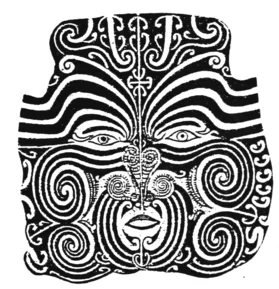

A living Māori art, not a catch-all name for Pacific tattooing.
Te Papa traces Māori tattooing tools to Eastern Polynesia and documents how Māori practitioners developed distinctive uses of uhi. Its account differentiates tools that deposit pigment from techniques that cut grooves into the skin. One tool or one historical photograph cannot stand in for the full range of the practice.
Read the artwork in context
Te Papa discusses moko in relation to identity and meaning. For an outsider, the responsible starting point is Māori accounts of the practice, not a chart that treats facial markings as detachable symbols. Nor is tāmoko merely historical. A museum collection records particular moments, while practitioners and wearers continue to shape the art.
The related history of toi moko, preserved tattooed ancestral heads, belongs in a conversation about collecting and repatriation. We discuss that separately so it does not become the frame through which readers encounter all Māori tattooing.
Sources and further reading
Read the related chapter on museum collections and repatriation